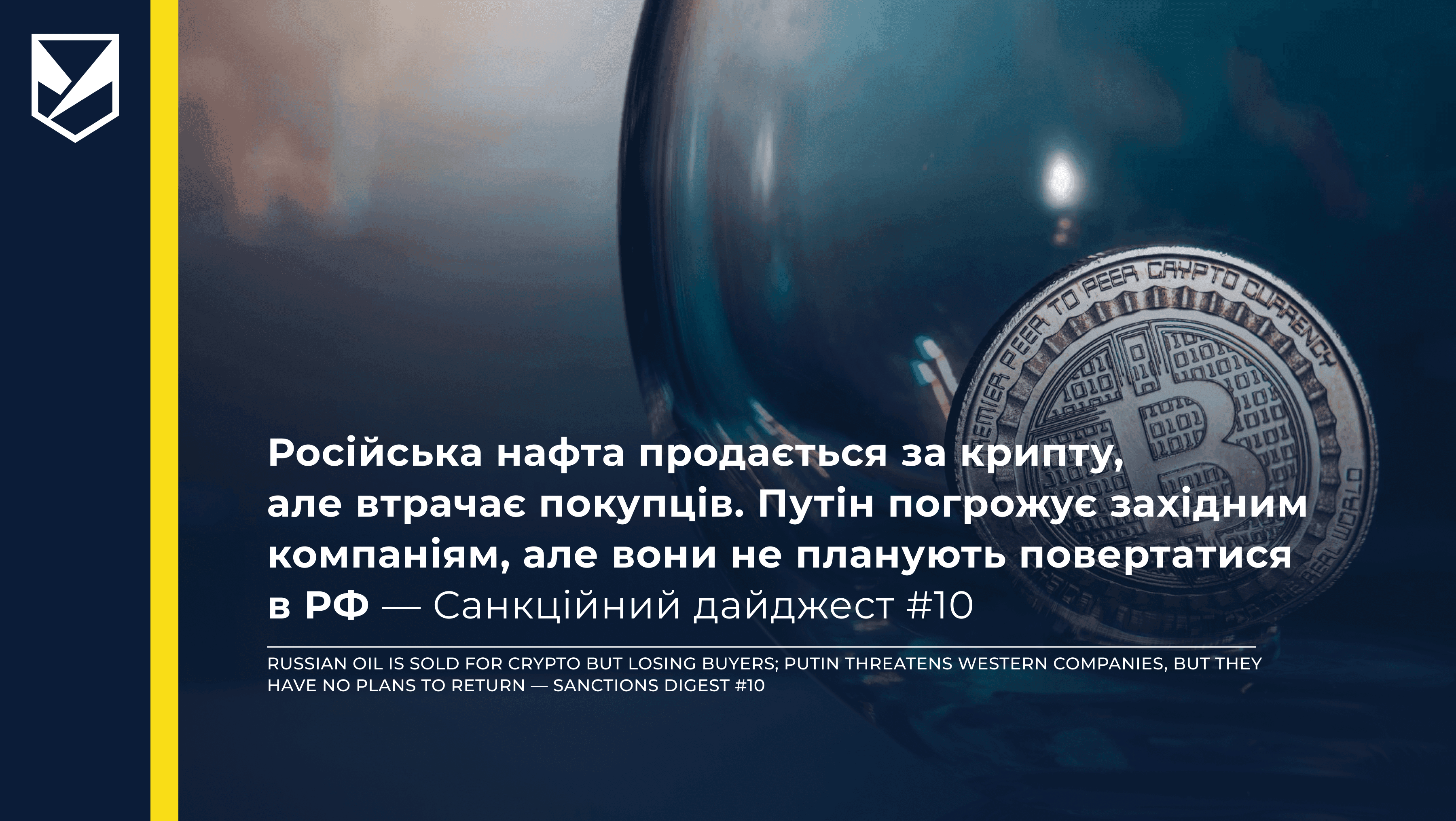
Russian oil companies are using cryptocurrencies such as Bitcoin, Ethereum, and stablecoins like Tether to circumvent U.S. sanctions, converting Chinese yuan and Indian rupees into rubles via crypto exchanges. This allows Moscow to evade traditional financial restrictions and maintain stable currency operations amid international sanctions, according to Reuters.
Meanwhile, Indian refiners have significantly increased oil imports from Latin America and Africa to offset reduced Russian supplies following tighter U.S. sanctions. In February, India imported Argentinian Medanito oil for the first time, along with rare shipments from Gabon, reducing its dependence on Russian crude.
Turkey's largest refiner, Tupras, has sharply cut back its Russian oil purchases to avoid secondary U.S. sanctions. While more than half of Tupras' oil imports last year were from Russia, this figure has now fallen to just 19%, replaced partly by increased shipments from Brazil, as reported by Bloomberg.
Chinese state oil firms have reduced their Russian oil imports due to fears of secondary sanctions from the U.S. and EU. Major companies like PetroChina and CNOOC significantly reduced purchases, and others such as Sinopec and Zhenhua Oil have completely halted cooperation with Russian suppliers, Reuters reported.
Vladimir Putin warned Western corporations that sold their Russian assets they would face significant obstacles if attempting to return. Putin emphasized that the Kremlin would oversee any asset return operations closely and would require additional guarantees from the companies, Reuters reported.
Despite Putin's comments, major Western companies, including IKEA, Nissan, Decathlon, and Henkel, have stated they have no intention of returning to the Russian market, even if sanctions are relaxed. The main reasons cited are high political and economic risks, far outweighing any potential benefits from resuming operations in Russia.
Even if sanctions are eased, Russian businesses will not regain full freedom, since Western countries will maintain their strategy of containing Russia. Putin stressed that international competitors would continue exerting pressure on Russia's economy, urging businesses to remain prepared for ongoing challenges.
